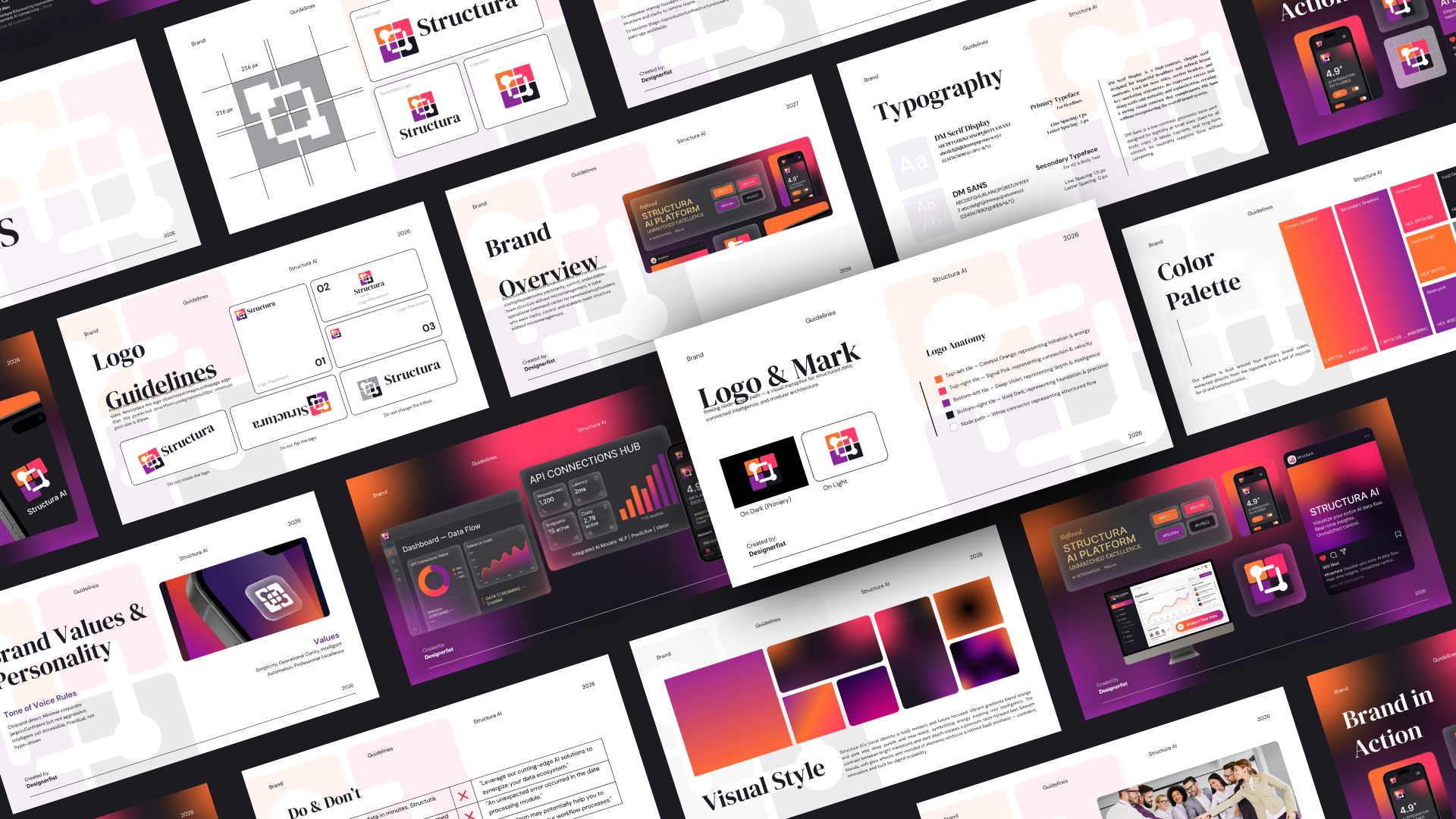
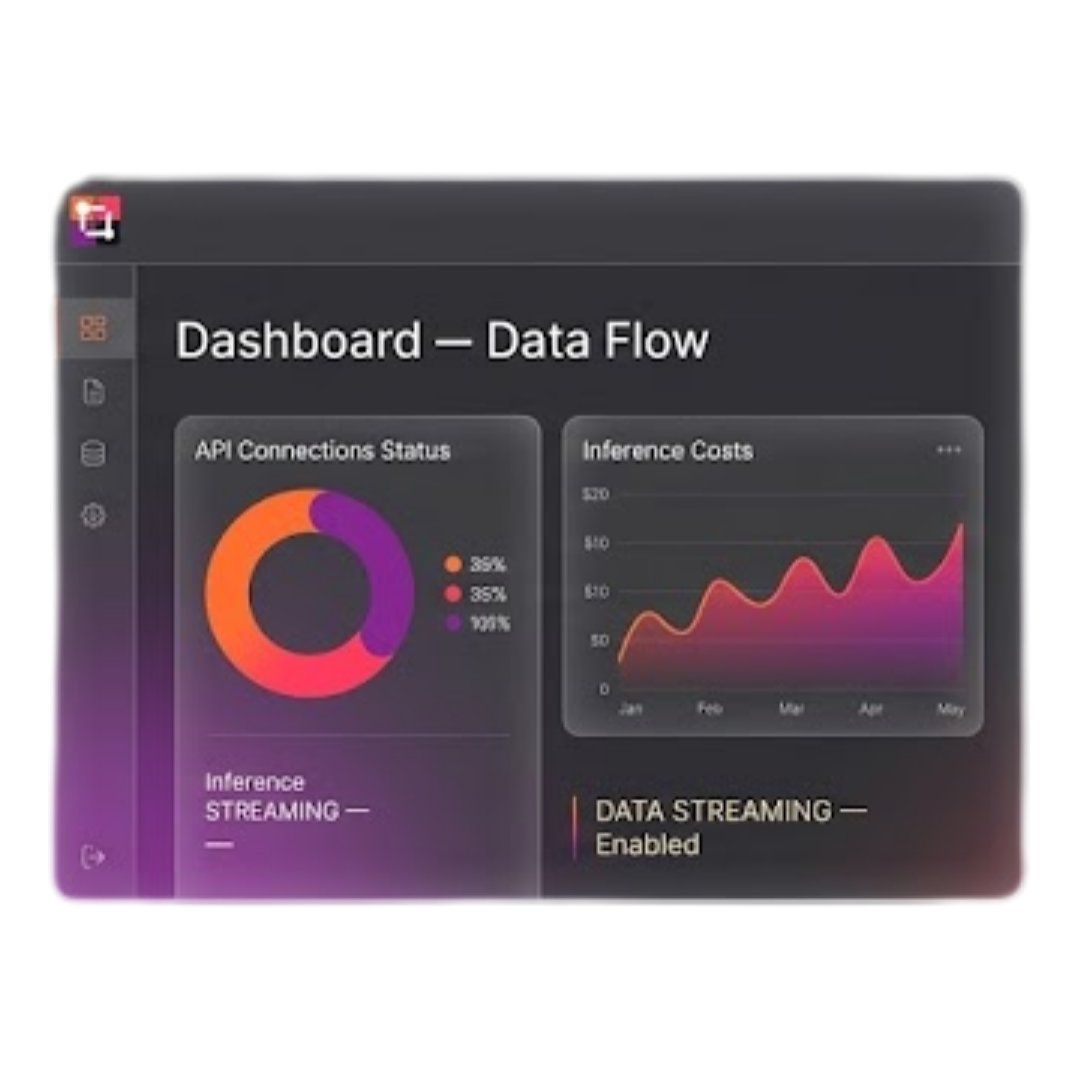
Structura AI approached Designerfist with powerful artificial intelligence infrastructure but a brand system that failed to communicate its depth.
In an increasingly saturated AI market, their visual identity lacked distinction, their positioning lacked precision, and their messaging over-indexed on features instead of transformation. The product was engineered for scale, yet the brand architecture was not.
Designerfist was brought in to reposition Structura AI at a strategic level transforming fragmented communication into a cohesive, authority-driven brand system built for long-term market dominance.
Founder’s Original Problem
Structura AI’s core challenge was not innovation it was perception architecture.
The founder had built a technically sophisticated AI solution, but the brand ecosystem surrounding it was underdeveloped
Key gaps included:
No defined brand positioning framework
Weak category differentiation
Feature-centric messaging instead of value-led narrative
A generic “tech startup” visual identity
No scalable design system
Their communication lacked:
Strategic narrative cohesion
Visual hierarchy
Brand semiotics aligned with enterprise trust
A distinct market stance
The brand existed — but it lacked strategic intentionality. In a market where cognitive clarity determines credibility, Structura AI was over-explaining and under-positioning.
Why It Was Limiting Growth
Narrative Precision We began with foundational strategic work.
Without a defined brand strategy framework, Structura AI experienced:
1- High cognitive load in communication 2- Reduced memorability 3- Weak brand recall 4- Difficulty articulating differentiation 5- Inconsistent cross-platform presence
From a design standpoint, there was no systemization.
Enterprise buyers evaluate brands based on perceived authority, trust signaling, and structural clarity. Without these signals, even strong products appear unestablished.
To resolve this, we applied a structured methodology:
At Designerfist, we apply a structured methodology:
Brand Strategy
Positioning Architecture
Visual Systemization
Scalable
Implementation
Strategic Positioning & Brand Architecture
We began with foundational strategic work:
• Brand Audit & Competitive Landscape Mapping: We analyzed AI competitors to identify visual and narrative redundancies in the category.
• Category Positioning Framework: We defined whether Structura AI would compete as: A tool A platform Or a category-defining infrastructure layer We positioned them as a strategic AI infrastructure partner — not just a feature-based product.
• ICP (Ideal Customer Profile) Clarification: Enterprise-first communication required clarity in tone, authority, and language precision.
• Messaging Architecture Development: We built: Core value proposition Supporting messaging pillars Transformation narrative Differentiation statements
This reduced visual noise and improved information clarity in high-density AI communication.
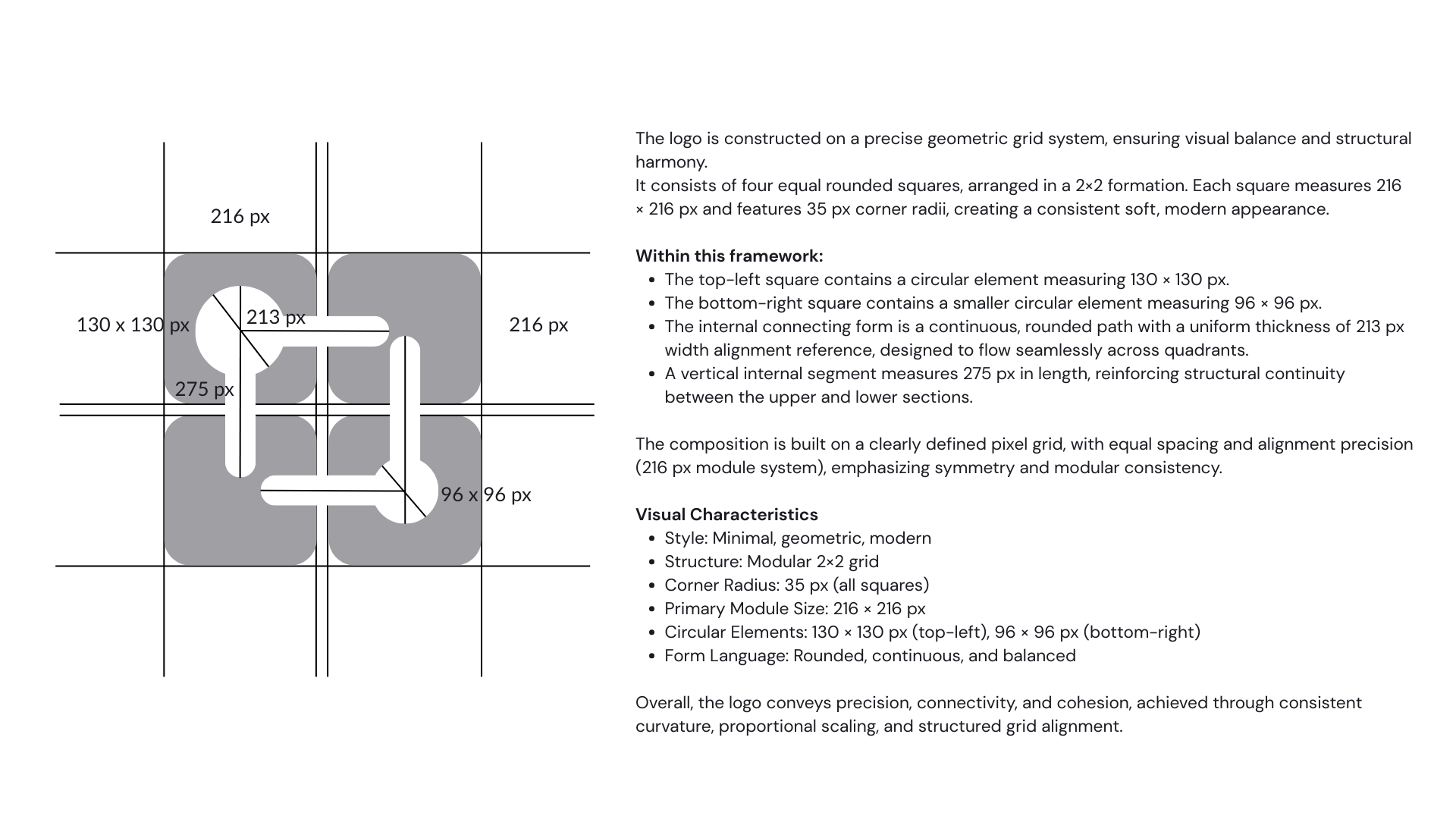
� Modular Grid System We implemented: A structured 12-column digital grid 8pt spacing system Component-based layout logic Modular content blocks STRUCTURA AI This created: Visual rhythm Predictable alignment Scalability across web, pitch decks, and product UI The grid wasn’t aesthetic — it was operational.
� Iconography & Semiotics Instead of generic AI brain icons, we developed: Minimal geometric iconography Consistent stroke weight System-based icon proportions Structured visual language tied to infrastructure themes This reinforced the perception of intelligence without cliché
Our Strategic Approach
We shifted the narrative from: “Here’s what our AI does” to “Here’s the systemic advantage our AI creates.” This reduced cognitive overload and increased strategic clarity.
Visual Identity Systemization
Once positioning was locked, we translated strategy into visual structure. Not decoration. Structure.
We implemented: � Strategic Color Psychology Instead of typical neon-tech gradients, we built a palette grounded in: Deep tonal primaries (authority & stability) Structured neutrals (enterprise credibility) Controlled accent usage (innovation without chaos) Color contrast ratios were defined for digital scalability and accessibility compliance.
Typographic Hierarchy Engineering
We selected a pairing that balanced: Technical precision Enterprise legibility Modern innovation
We defined: H1–H6 hierarchy rules Line-height logic Kerning adjustments
Display vs. functional typography roles
This reduced visual noise and improved information clarity in high-density AI communication
Modular Grid System
We implemented: A structured 12-column digital grid 8pt spacing system Component-based layout logic Modular content blocks
This created: Visual rhythm Predictable alignment
Scalability across web, pitch decks, and product UI The grid wasn’t aesthetic — it was operational.
Design System & Brand Governance
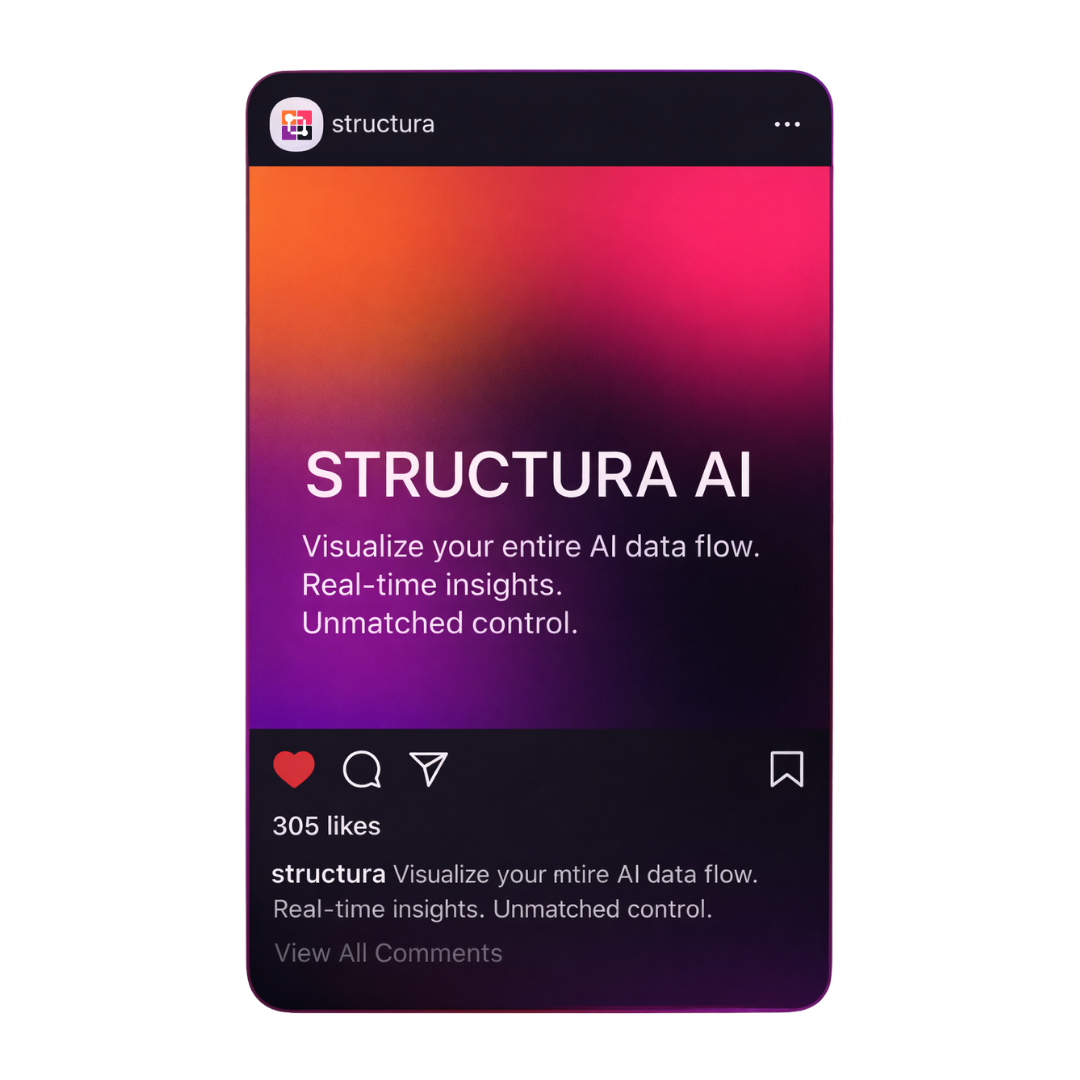
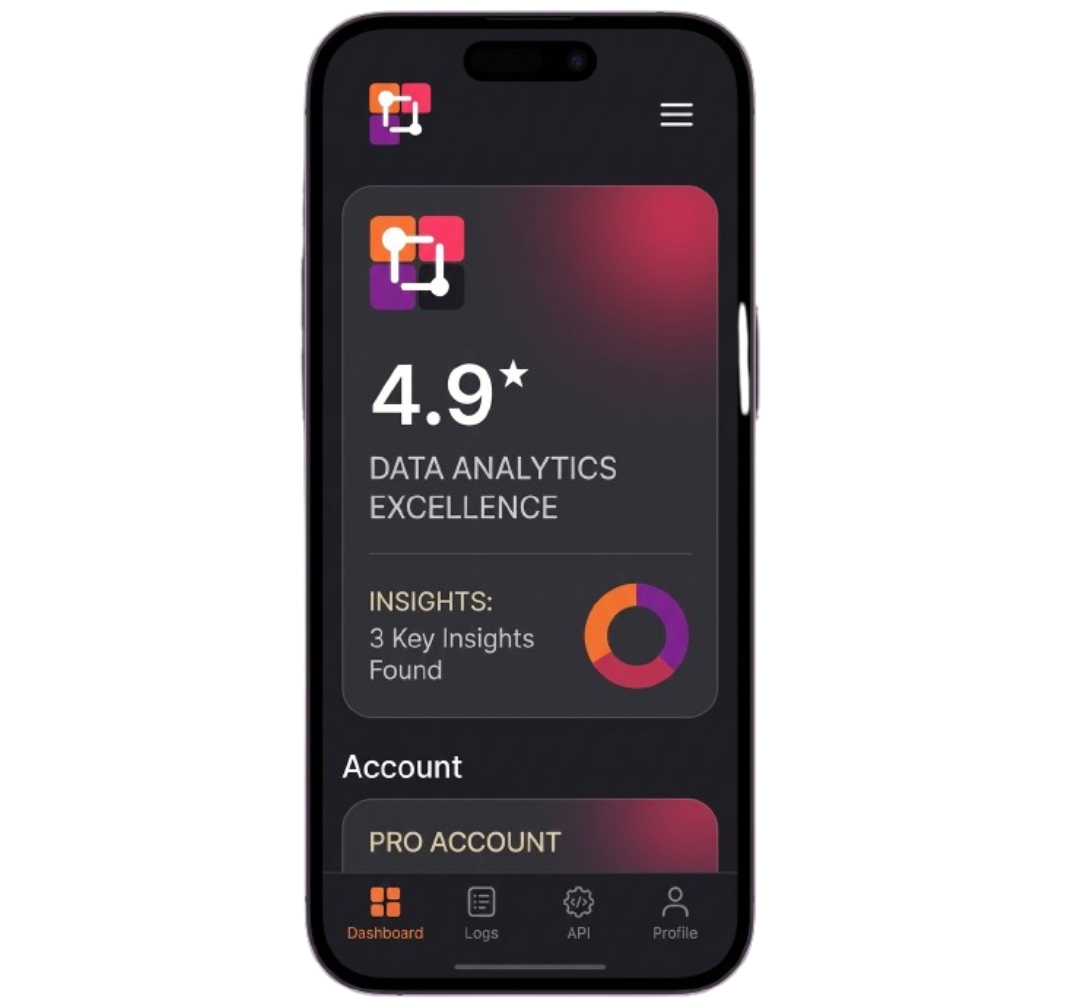
We moved beyond branding into systemization. Deliverables included: Component library logic Social layout templates Presentation master slides Visual consistency documentation Brand usage governance principles The objective was scalability and internal consistency. We built a system that reduced future design entropy.
The Transformation / Result
Before: Feature-heavy communication High cognitive load Generic AI aesthetic Weak brand differentiation Inconsistent visual rhythm
After: Clear category positioning Authority-driven messaging architecture Cohesive design system Enterprise-aligned brand perception Reduced friction in communication
Structura AI transitioned from: “A promising AI startup” to “A strategically positioned AI infrastructure brand.”
The founder reported: Stronger investor conversations More confident enterprise demos Faster message clarity in sales discussions Greater internal brand alignment The transformation was not cosmetic.
It was architectural.
We didn’t redesign the brand. We engineered it.
Closing Statement
In complex industries like AI, clarity is competitive advantage.
Structura AI had the technology. Designerfist built the perception system around it.
Strategy structured. Identity systemized. Authority established